
When a Guardianship is Needed to Protect a Senior
My Dad has been deemed unable to make his own decisions, and he does not have a Power of Attorney. The hospital said we need to apply for guardianship. What is that?

My Dad has been deemed unable to make his own decisions, and he does not have a Power of Attorney. The hospital said we need to apply for guardianship. What is that?

Just as you have trust in a relationship, trusting your document and those with responsibilities in the trust are crucial to obtaining your objectives.
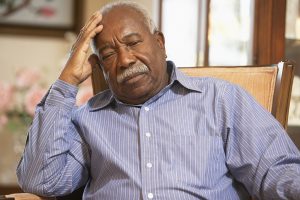
On its surface, Social Security seems like a fairly straightforward program. You and your employer pay a tax based on your earnings, while you work. When you retire, you get a lifelong income stream that’s somewhat tied to how much you paid into the system.

While most initial meetings with an estate planning attorney will result in some questions you likely have never considered, there are many ways in which you can prepare for a thoughtful and productive estate planning conference that will result in a better understanding of your goals and more efficient use of time with your attorney.

The unprecedented quarantines to protect against the spread of the novel coronavirus have made many seniors more vulnerable to financial exploitation.
If you’re helping an aging parent navigate Medicaid because they don’t have long-term care insurance or you think you’ll need it yourself someday, it’s important to understand how the program works.
When an individual cannot make important decisions for himself or herself, a judge appoints someone called the conservator or guardian to make decisions. The conservator has the legal backing of the court in all decisions, including finances, medical and personal care.

As family caregivers, we play many roles: scheduler, money manager, house cleaner, health aide, nurse, navigator, nurturer and more. Perhaps the most important role, though, is advocate, as we ensure the best life possible for our loved ones when they are vulnerable.
The difference between power of attorney and guardianship is a common question asked by adult children. Both roles share a duty to provide care and oversight of medical care and health.
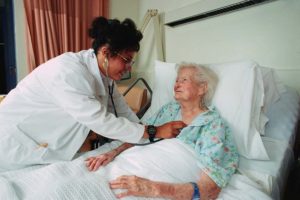
No one wants a nursing home but the longer we live, the higher the chance we may need a nursing home at the end of life.