
Legal Documents Every Senior Needs
There is a general consensus that having a last will and testament is important. However, few people realize the necessity of having medical documents in place.
There is a general consensus that having a last will and testament is important. However, few people realize the necessity of having medical documents in place.

One major misconception is we simply can tell loved ones what we want to happen for the purposes of health or property distribution and family members can ensure that those wishes are followed.

The conditions for amending a trust, including who has the authority, is usually set out in the document.

It is very important for unmarried couples to execute estate planning documents to make their wishes clear concerning the rights and responsibilities of their significant other.

If you’re seeking guardianship or conservatorship for a relative who is unable to take care of their own personal or financial needs, get ready for the long haul.
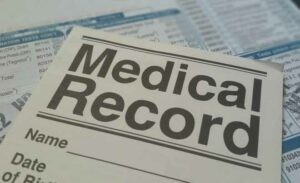
Everyone age 18 and over should have a health care proxy document signed (think children off to college, and yourself, not just an elderly parent).

Aging solo is about those individuals who are widowed or not married, live alone and have no family or none they can count on. They are going through the last years of their lives on their own. It can be just fine until one’s health declines and the usual activities and access to friends get out of reach.

With the possibility of needing long-term care in the future, many people are interested in proactive planning.

Although in the past it may not have been the norm to provide for animals in our estate planning, times have changed.

A guardian is someone who is appointed by the courts to assist another with their personal and medical affairs.