
Social Isolation Increases Elder Financial Abuse
The unprecedented quarantines to protect against the spread of the novel coronavirus have made many seniors more vulnerable to financial exploitation.

The unprecedented quarantines to protect against the spread of the novel coronavirus have made many seniors more vulnerable to financial exploitation.
If you’re helping an aging parent navigate Medicaid because they don’t have long-term care insurance or you think you’ll need it yourself someday, it’s important to understand how the program works.

When an individual cannot make important decisions for himself or herself, a judge appoints someone called the conservator or guardian to make decisions. The conservator has the legal backing of the court in all decisions, including finances, medical and personal care.

As family caregivers, we play many roles: scheduler, money manager, house cleaner, health aide, nurse, navigator, nurturer and more. Perhaps the most important role, though, is advocate, as we ensure the best life possible for our loved ones when they are vulnerable.
The difference between power of attorney and guardianship is a common question asked by adult children. Both roles share a duty to provide care and oversight of medical care and health.
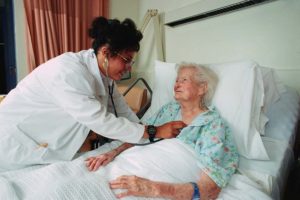
No one wants a nursing home but the longer we live, the higher the chance we may need a nursing home at the end of life.

When a spouse enters a nursing home, the cost of care can be financially devastating. Many families are simply unable to afford long-term care without applying for Medicaid.

Obviously, the first step is to work with your doctor to slow the progression. However, there are legal steps you need to take as quickly as possible.
Many families have experienced the rollercoaster of emotions watching a loved one slowly start to subside to dementia or Alzheimer’s, but it’s important to realize that you and your loved ones are not alone.
Many people transitioning into an elderly life start to require assistance in their everyday lives, especially if they suffer from a chronic or end-of-life medical condition. They need help for tasks, including bathing and eating.