
Planning to Protect your Pet after Death
Although in the past it may not have been the norm to provide for animals in our estate planning, times have changed.

Although in the past it may not have been the norm to provide for animals in our estate planning, times have changed.

Created to own and control a life insurance policy or policies while the insured is alive, Irrevocable Life Insurance Trusts (ILITs) are tools that are sometimes recommended by estate and planners.
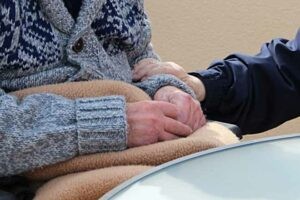
A guardian is someone who is appointed by the courts to assist another with their personal and medical affairs.

Depending on their medical condition, persons with dementia are often capable of making their own decisions regarding legal aspects, such as advance care planning.

If you haven’t had any experience with guardianship for adults with dementia, it’s likely you don’t understand just how complex it is. You are not alone.

Without a power of attorney, your spouse, children or friends will probably have to petition the court to step in on your behalf.

Physicians may deal with life and death issues every day. However, few may want to think about the eventuality of their own end.

Advance directives typically consist of a living will and a power of attorney for healthcare.

A frequent concern for those with aging loved ones is the future need for guardianship. Unfortunately, the concept of guardianship can be confusing and overwhelming.

With the largest spike in mortality in the United States in a century, following the onset of the pandemic, providing for one’s pets after death has become a growing topic of conversation for many animal lovers across the country.