
Durable Power of Attorney can Prevent Guardianship Issues
If you’re seeking guardianship or conservatorship for a relative who is unable to take care of their own personal or financial needs, get ready for the long haul.

If you’re seeking guardianship or conservatorship for a relative who is unable to take care of their own personal or financial needs, get ready for the long haul.

Different people have different needs, and for most people, starting with basic legal documents, such as a will and power of attorney, are a great place to start and can make a big difference.

The Estate of The Union Season 2|Episode 8 is out now! Homelessness is not going away. How we manage it can be frustrating and sometimes

First, debts in a person’s estate are payable from the decedent’s assets in the course of administering their probate estate or administering their living trust estate.
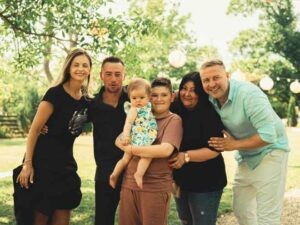
Estate planning is nearly always worthwhile but can be extra important when you have stepchildren.

Part of the agency’s latest annual ‘Dirty Dozen’ scams, these potentially ‘abusive arrangements’ involve charitable remainder annuity trusts and monetized installment sales.

Data from sources like the U.S. Census Bureau shows in no uncertain terms that the U.S. population has grown older over the prior two decades.

The word ‘paperwork’ has become an anachronism; most legal and business documents today are created, signed and stored digitally. However, a few actual pieces of paper remain vitally important to keep.

There are many different configurations of blended families. However, they are generally made up of married couples who have children from previous marriages or relationships.

You’re single, and you don’t have an estate plan or even a will. Perhaps you think you don’t need either because you’re not wealthy and don’t have children.