
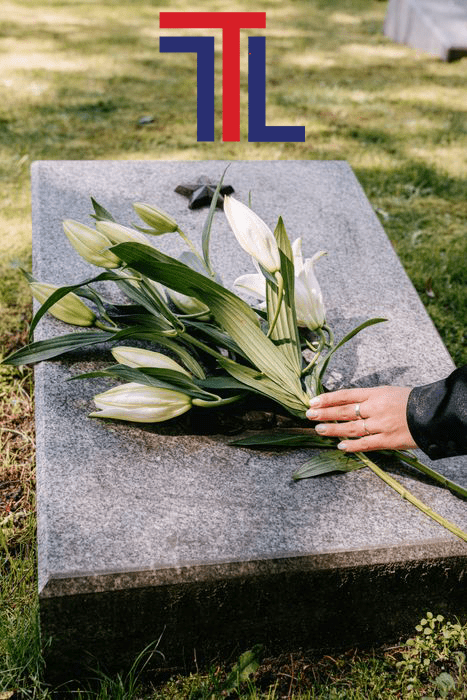
Many people assume that if they die without a Will or Revocable Living Trust, everything will simply pass to their spouse. For Texas blended families, that assumption is often wrong. In fact, dying without a Texas estate plan can create some of the most difficult situations we see. The surviving spouse is already grieving the loss of a loved one and, at the same time, may find themselves navigating unexpected Texas legal rules, family conflict, and financial uncertainty. Don’t let Texas decide your estate.
The reality is that if you do not create an estate plan, Texas already has one for you.
The question is whether you will like it.
The Problem With “We’ll Get Around to It Later”
Statistics consistently show that many Texans die without a Will or Trust.
Some never get around to it. Others assume they do not have enough assets to justify Texas estate planning. Still others believe everything will automatically go to their spouse.
For Texas blended families, that last assumption can be especially dangerous.
When a married person dies without a Will or Trust and has children from a prior relationship, Texas law may direct assets in ways that neither the deceased spouse nor the surviving spouse expected.
The result is often confusion, frustration, and unnecessary conflict.
A Real-World Texas Example
Imagine a husband and wife living in the Texas Hill Country. The husband has a child from a prior relationship. During the marriage, the couple purchases a home together and builds a life around it.
Then tragedy strikes.
The husband dies unexpectedly in his forties.
The surviving spouse assumes she will continue owning and living in the home as she always has. After all, they purchased the property together and shared the expenses.
Unfortunately, Texas law may have other plans.
Under Texas intestacy laws, the surviving spouse may retain her ownership interest in the property, while the deceased spouse’s interest passes to his child from the prior relationship.
Now, instead of owning the home outright, the surviving spouse may find herself owning property alongside her stepchild.
In some situations, this can force difficult conversations about buyouts, refinancing, or even selling the property.
We have seen cases where surviving spouses were forced to use life insurance proceeds they intended to live on simply to purchase the children’s ownership interests in the family home.
That is probably not what anyone intended.
Grief Is Hard Enough
The legal issues are only part of the problem.
When a spouse dies, families are already dealing with grief, funeral arrangements, and the loss of income and companionship.
Adding disputes over ownership and inheritance only increases the emotional and financial burden.
What could have been a straightforward transition becomes a lengthy and sometimes contentious process.
The surviving spouse may feel vulnerable.
The children may feel entitled to their inheritance.
Everyone may believe they are acting reasonably.
Yet the family finds itself in conflict because Texas law stepped in to make decisions that the deceased never made.
Texas Has a Plan—Whether You Create One or Not
One of the most important concepts for Texas families to understand is that dying without a Will does not mean there is no plan.
It simply means that Texas creates the plan for you.
The Texas Estates Code contains default rules that determine who inherits your property when you die without a valid Texas estate plan. Those rules apply regardless of your personal wishes, family dynamics, or financial circumstances.
For some Texas families, the default rules may work reasonably well.
For many Texas blended families, they do not.
The Simple Solution: Create Your Own Rules
The good news is that this problem is entirely avoidable.
A properly drafted Texas Will or Revocable Living Trust allows you to decide:
- Who receives your property;
- When they receive it;
- How much they receive;
- Who manages assets for beneficiaries; and
- How your spouse and children will be protected.
Instead of relying on Texas’ one-size-fits-all approach, you can create a Texas estate plan tailored to your family’s unique circumstances.
That certainty is often one of the greatest gifts you can leave behind.
Final Thoughts
Texas blended families face challenges that traditional estate planning assumptions do not always address.
If you die without a Will or Trust, Texas law will make those decisions for you. Unfortunately, the results are often very different from what families expect.
The solution is not complicated: create a Texas estate plan.
Whether through a Will, a Revocable Living Trust, or another planning strategy, taking the time to put your wishes in writing can help protect your spouse, provide for your children, and prevent unnecessary conflict after your death.
Don’t let Texas decide your estate. Because when it comes to Texas estate planning, doing nothing is still a decision—it is simply a decision to let Texas decide for you. If you would like to learn more about Texas intestacy laws, watch the short video below, or visit our previous posts.
Cover Image by Ivan S.




This information is NOT intended to be used as legal or tax advice, nor does it establish an attorney-client relationship with Texas Trust Law or any of its attorneys. Please contact your own appropriate advisors to discuss the benefits and effects of any particular legal, charitable & tax strategy.