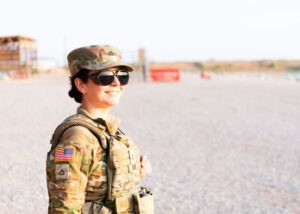
Estate Planning for Veterans and Active Military Is Important
This article explores the importance of estate planning for veterans and active military personnel and the essential documents to include in your estate plan.

This article explores the importance of estate planning for veterans and active military personnel and the essential documents to include in your estate plan.

Estate planning legal matters are already confusing enough, so it certainly does not help to have similar names for related but completely different documents.

Aretha Franklin did what she was supposed to in drawing up a last will and testament, but a crucial mistake left her multimillion-dollar estate in chaos.

No one ever plans to be sick or disabled. However, planning for the future can make all the difference in an emergency and at the end-of-life. Being prepared and having important documents in a single place can give you peace of mind, help ensure that your wishes are honored and ease the burden on your loved ones.

One of the most difficult—and emotional—parts of caregiving can be having discussions about the legal side of aging.

There is a general consensus that having a last will and testament is important. However, few people realize the necessity of having medical documents in place.

One major misconception is we simply can tell loved ones what we want to happen for the purposes of health or property distribution and family members can ensure that those wishes are followed.

It is very important for unmarried couples to execute estate planning documents to make their wishes clear concerning the rights and responsibilities of their significant other.

Data from sources like the U.S. Census Bureau shows in no uncertain terms that the U.S. population has grown older over the prior two decades.

You’re single, and you don’t have an estate plan or even a will. Perhaps you think you don’t need either because you’re not wealthy and don’t have children.