
You Need Two Kinds of Power of Attorney Documents
Power of Attorney documents are often an afterthought when someone thinks about their estate plan.

Power of Attorney documents are often an afterthought when someone thinks about their estate plan.

One of the most difficult—and emotional—parts of caregiving can be having discussions about the legal side of aging.

There is a general consensus that having a last will and testament is important. However, few people realize the necessity of having medical documents in place.

One major misconception is we simply can tell loved ones what we want to happen for the purposes of health or property distribution and family members can ensure that those wishes are followed.

The conditions for amending a trust, including who has the authority, is usually set out in the document.

It is very important for unmarried couples to execute estate planning documents to make their wishes clear concerning the rights and responsibilities of their significant other.

If you’re seeking guardianship or conservatorship for a relative who is unable to take care of their own personal or financial needs, get ready for the long haul.

Data from sources like the U.S. Census Bureau shows in no uncertain terms that the U.S. population has grown older over the prior two decades.
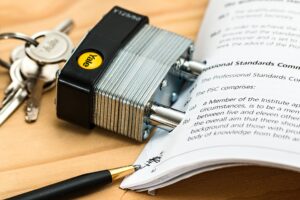
The word ‘paperwork’ has become an anachronism; most legal and business documents today are created, signed and stored digitally. However, a few actual pieces of paper remain vitally important to keep.

There are many different configurations of blended families. However, they are generally made up of married couples who have children from previous marriages or relationships.