
A Durable Power of Attorney is Essential
Without a power of attorney, your spouse, children or friends will probably have to petition the court to step in on your behalf.

Without a power of attorney, your spouse, children or friends will probably have to petition the court to step in on your behalf.

Physicians may deal with life and death issues every day. However, few may want to think about the eventuality of their own end.

A guardianship is a court-ordered relationship that is created to protect a person who is incapable of handling their estate or personal affairs. Guardianship law varies by state.

A special needs trust (SNT) can help you provide financial security to your child after you die without leaving them ineligible for the government benefits that they need to sustain care.

When preparing estate planning documents, certain beneficiaries may need more protection than others. One particular class of beneficiaries that needs to be intentionally considered is minor children.

A frequent concern for those with aging loved ones is the future need for guardianship. Unfortunately, the concept of guardianship can be confusing and overwhelming.

Chances are, your home is full to the brim with cherished memories of family and friends. But, as you get older, you may start wondering what exactly will happen to your home when you pass away. Fortunately, a life estate can take away the uncertainty of this thought by legally assigning an heir to receive your property without interference from court proceedings.
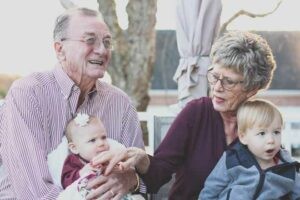
Here are five ways to get started on this important issue of an aging parent’s finances.
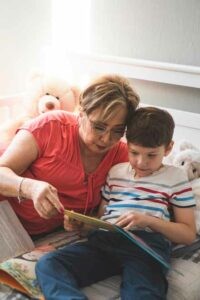
Although laws vary from state to state, every state requires that less restrictive alternatives be considered before invoking a guardianship. These might include such vehicles as limited guardianships, powers of attorney or assisted decision-making agreements.

People with children who cannot support themselves need to think well past their own lifetime and figure out how to provide for children after they are gone.